The Database Note That Copilot Read
SQL Copilot's instruction metadata got me thinking about who can leave notes for an agent, and whose permissions it has when it acts on them.
cybersecurity / AI agents / local tools
I’m Sean McQuilling. I work on enterprise security and build AI agents on my own machines. This is where I share the experiments, awkward failures, and security questions that come out of both.
New here? Start with a reading path →
work update / last updated october 2026
The latest posts look at MCP OAuth and SQL Copilot. Aria’s project notes now describe her current portrait selection and creative tools.
Read the current notefeatured / cybersecurity
The Python SDK update caught my attention because finishing the fix takes a little more than changing a version number.
from my own builds
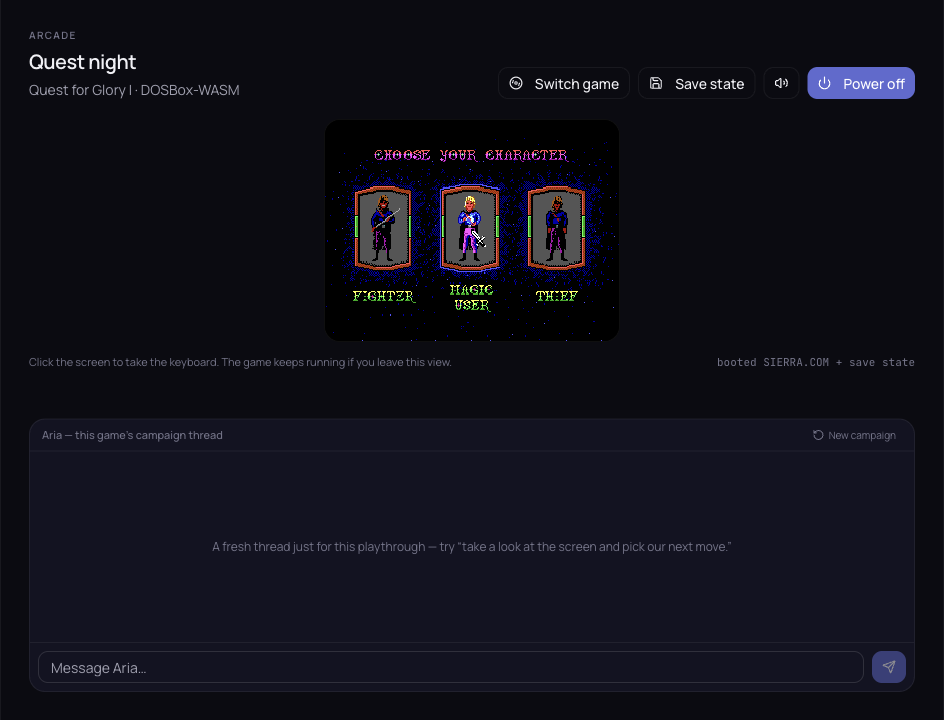
Research, memory, an image studio, her own inbox, and the occasional evening playing a DOS game together. Aria is where many of the notes on this site began.
Explore Aria →selected work
Sketch an agent’s risks, make a run plan, and work through a transcript in your browser.
recent writing
SQL Copilot's instruction metadata got me thinking about who can leave notes for an agent, and whose permissions it has when it acts on them.
Use CyberChef to inspect an encoded instruction in a tool response, then separate an agent's proposed action from what actually happened.
An evaluation environment can be disposable while its credentials are not. A practical design for separating test workloads, provider keys, and production authority.
get in touch